01
Make large panels easier
Assistance can reduce the force a person needs to apply to very large glazed panels, particularly where seals and panel mass are significant.

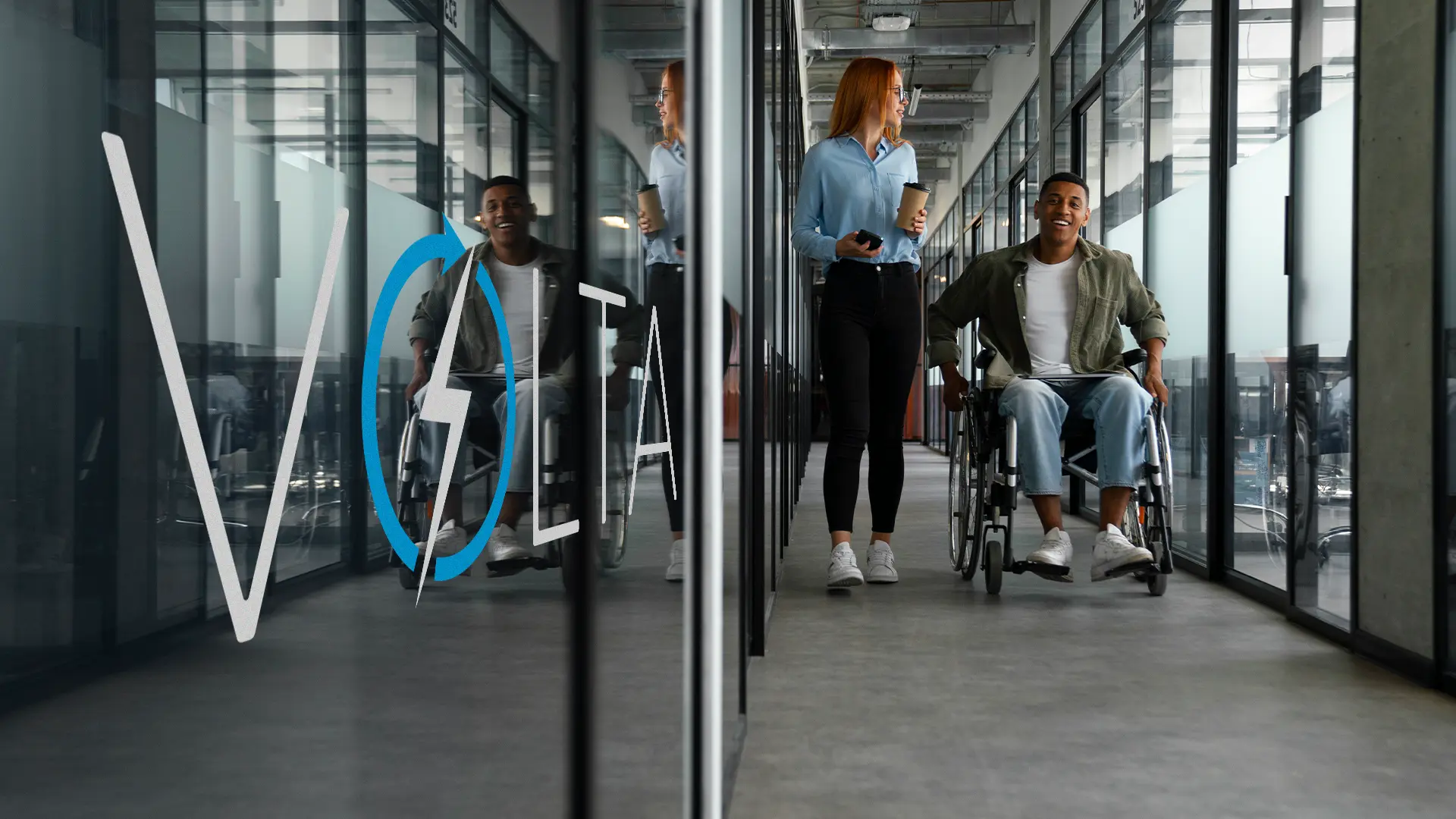
As sliding panels become larger, heavier and better sealed, the architecture can outgrow what feels comfortable to move by hand. Power or assistance can preserve the big-panel idea while bringing the user experience back to something natural.
The opening type changes the way a room looks and behaves before any individual piece of hardware is chosen.
Assistance can reduce the force a person needs to apply to very large glazed panels, particularly where seals and panel mass are significant.
Powered movement can help make large architectural openings usable by a wider range of people instead of reserving them for users who can overcome high manual forces.
You retain the view, no-swing geometry and space efficiency of a slider while changing how much effort is required to move it.
A well-integrated drive can live within the head, jamb or system architecture so the technology does not dominate the room.
Power can reduce the effort needed to move a large panel while preserving the familiar feel of a sliding door. The assistance supports the person at the door rather than turning every opening into a conventional automatic-door experience.
Controls, sensors, access systems and smart-home interfaces can be considered as part of the opening rather than added after the door is finished.
Very large sliding panels, premium residences, hospitality, accessible design and projects where the architectural opening should remain visually simple despite significant panel weight.
Power provision, controls, safety strategy, manual or emergency operation, commissioning, service access, acceleration profile and the operating force created by seals and track condition.
Once the architectural intent is clear, these are the mechanical relationships that determine whether the opening still feels good years later.
Power can reduce the effort needed to move large panels while retaining intuitive user control.
Motor, transmission and control elements have to fit within the architecture of the door system.
The behaviour of the door when the user takes hold - and when power is unavailable - matters as much as automation.
Powered motion requires considered control logic, sensing and predictable behaviour.
The best architectural integration keeps the power system out of the visual language of the opening.
Panel mass, seals, track condition and acceleration profile all influence the final feel.
VOLTA is CiiLOCK's specialist powered-sliding technology platform. The VOLTA site carries deeper product, integration and application information.
Explore VOLTA ->CiiLOCK develops hardware and motion technology. Local fabricators turn that technology into complete windows and doors. If you are an architect or homeowner, we can help connect the project to a suitable local contact where our network allows.
Tell us the opening type, location and project stage. We will help point you toward a relevant local fabricator or partner where available.
Find local expertise ->02 / Fabricators + system makersWork with CiiLOCK motion technologies, specialist brands and engineering support while keeping the complete fabricated system in your hands.
Join the network ->Homeowners and architects can start with a local Motioneer or partner where available. Fabricators and system manufacturers can talk directly to CiiLOCK about hardware, integration and engineering.